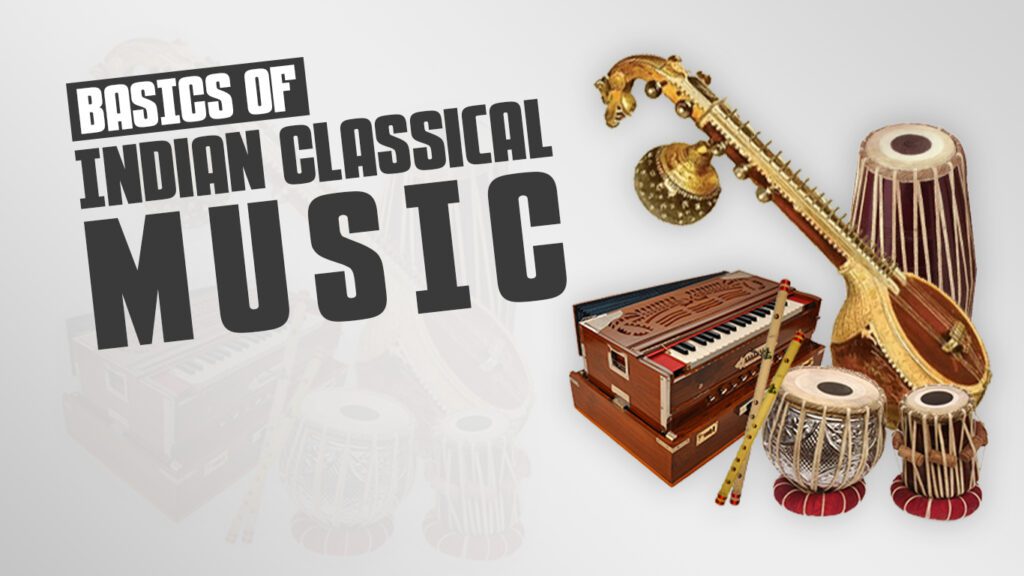
Carnatic Vocal Classes: A Journey into Melody and Mindfulness
Course Description
Carnatic vocal classes focus on training in Carnatic music, a classical music tradition from South India known for its intricate melodies (ragas), rhythmic patterns (talas), and devotional content. Vocal classes offer numerous benefits for individuals of all skill levels, whether you're a beginner or an experienced singer.
Carnatic vocal music is a classical tradition rooted in South India, known for its intricate ragas, rhythmic cycles (talas), and devotional compositions. Whether you're a beginner or an advanced learner, Carnatic vocal classes offer a structured and enriching path to musical mastery.
Key Features of Carnatic Vocal Classes
- Structured Curriculum: Beginners start with basics like sarali varisai (simple exercises), janta varisai, and alankaras, progressing to geethams, varnams, and complex krithis.
- Guru-Shishya Tradition: Learning often follows a personalized, one-on-one approach under a guru, emphasizing oral transmission and imitation.
- Focus on Improvisation: Advanced students learn to improvise through ragam-tanam-pallavi and alapana, showcasing creativity within raga structures.
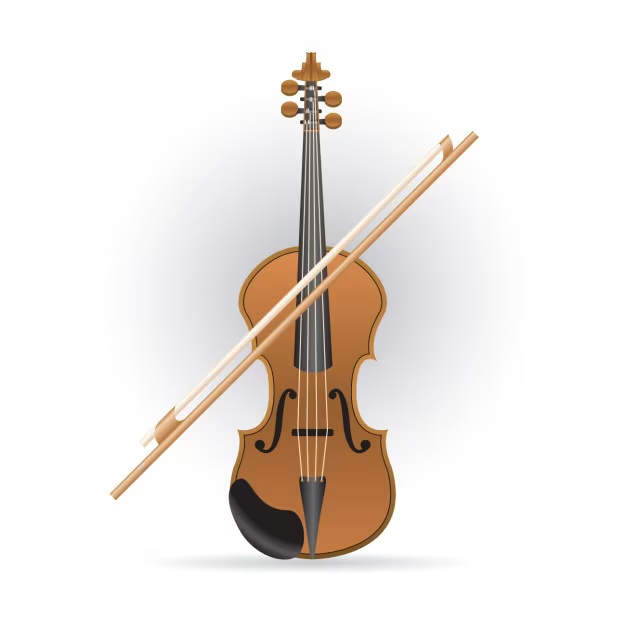
- Accompaniment Training: Classes may include exposure to instruments like the violin, mridangam, or tambura, teaching coordination with accompanists.
- Language Skills: Songs in Telugu, Tamil, Kannada, or Sanskrit improve linguistic understanding and pronunciation.
Here’s a concise overview of the benefits and key aspects of Carnatic vocal classes:
- Mastery of Raga and Tala: Classes teach the nuanced rendering of ragas (melodic frameworks) and talas (rhythmic cycles), enhancing musical precision and creativity.
- Improved Vocal Technique: Training emphasizes swara (note) clarity, voice modulation, and gamakas (ornamentations), proper breathing, posture, and vocal cord usage, enhancing tone, pitch, and range
- Cultural and Spiritual Growth: Rooted in devotion, Carnatic music fosters a deep connection to Indian heritage and spirituality through compositions like kritis and bhajans.
- Enhanced Memory and Discipline: Learning complex compositions (e.g., varnams, kritis) sharpens memory, concentration, and discipline through consistent practice.
- Emotional and Therapeutic Benefits: Singing Carnatic music promotes emotional release and stress relief, with its meditative and expressive qualities.
- Community and Tradition: Group classes or gurukul-style learning build a sense of community while preserving a rich musical tradition.
- Performance Skills: Opportunities to perform at concerts (kutcheries) or festivals enhance stage presence and confidence.
- Vocal Health and Control: Training in proper breath control and vocal techniques strengthens the voice and prevents strain.
- Increased Confidence: Regular practice and professional feedback build self-assurance, making you more comfortable performing or speaking in public.
- Enhanced Musical Skills: Classes often include ear training, rhythm, and music theory, improving overall musicianship and ability to harmonize or improvise.
- Better Breath Control: Learning diaphragmatic breathing strengthens lung capacity and stamina, benefiting singing and overall health.
- Emotional Expression: Singing allows you to channel emotions, reducing stress and boosting mental well-being through creative self-expression.
- Social Connections: Group classes or choirs foster community, collaboration, and friendships with others who share your passion.
- Performance Opportunities: Classes often include recitals or gigs, providing real-world experience and a chance to showcase progress.
- Vocal Health: Professional guidance teaches how to care for your voice, preventing damage from overuse or improper technique.
- Career Potential: For aspiring professionals, vocal classes provide skills, networking, and exposure to pursue singing or related fields like voice acting.
Additional Notes
Carnatic vocal classes suit all ages, though children often start young to build a strong foundation.
No prior musical knowledge is required, but dedication is key..
What You Learn in Carnatic Vocal Classes
- Basic Exercises: Sarali Varisai, Janta Varisai, Alankaram to build pitch and rhythm control
- Raga and Tala Theory: Understanding melodic scales and rhythmic patterns
Compositions
- Geethams and Swarajatis for beginners
- Raga and Tala Theory: Understanding melodic scales and rhythmic patterns
- Varnams and Krithis for intermediate learners
- Ragam-Tanam-Pallavi and Manodharma Sangeetham(improvisation) for advanced students
- Voice Culture : Breathing techniques, vocal modulation, and pronunciation
Benefits of Learning Carnatic Vocal Music
Cognitive & Academic Growth
- Enhances memory, concentration, and analytical thinking
- Boosts mathematical skills through rhythmic calculations and pattern recognition
- Strengthens speech clarity and vocal development, especially in children
Emotional & Psychological Wellness
- Acts as a stress reliever and promotes mindfulness
- Builds discipline, patience, and self-confidence through regular practice
Musical & Artistic Development
- Deepens understanding of melody, rhythm, and improvisation
- Encourages creativity and self-expression through compositions and performance
Cultural & Spiritual Connection
- Connects learners to Indian heritage, mythology, and devotional traditions
- Promotes spiritual growth through bhakti-oriented compositions
Social & Community Engagement
- Opportunities to perform in concerts, sabhas, and festivals
- Builds a network of fellow musicians and rasikas (enthusiasts)
- Start Date6 Hrs 40 Min
- Enrolled89
- Lectures23
- Skill LevelIntermediate
- LanguageEnglish
- Quizzes25
- CertificateYes
 Pass Percentage90%
- Deadline25 Dec, 2023
- InstructorDaniel Stiva