


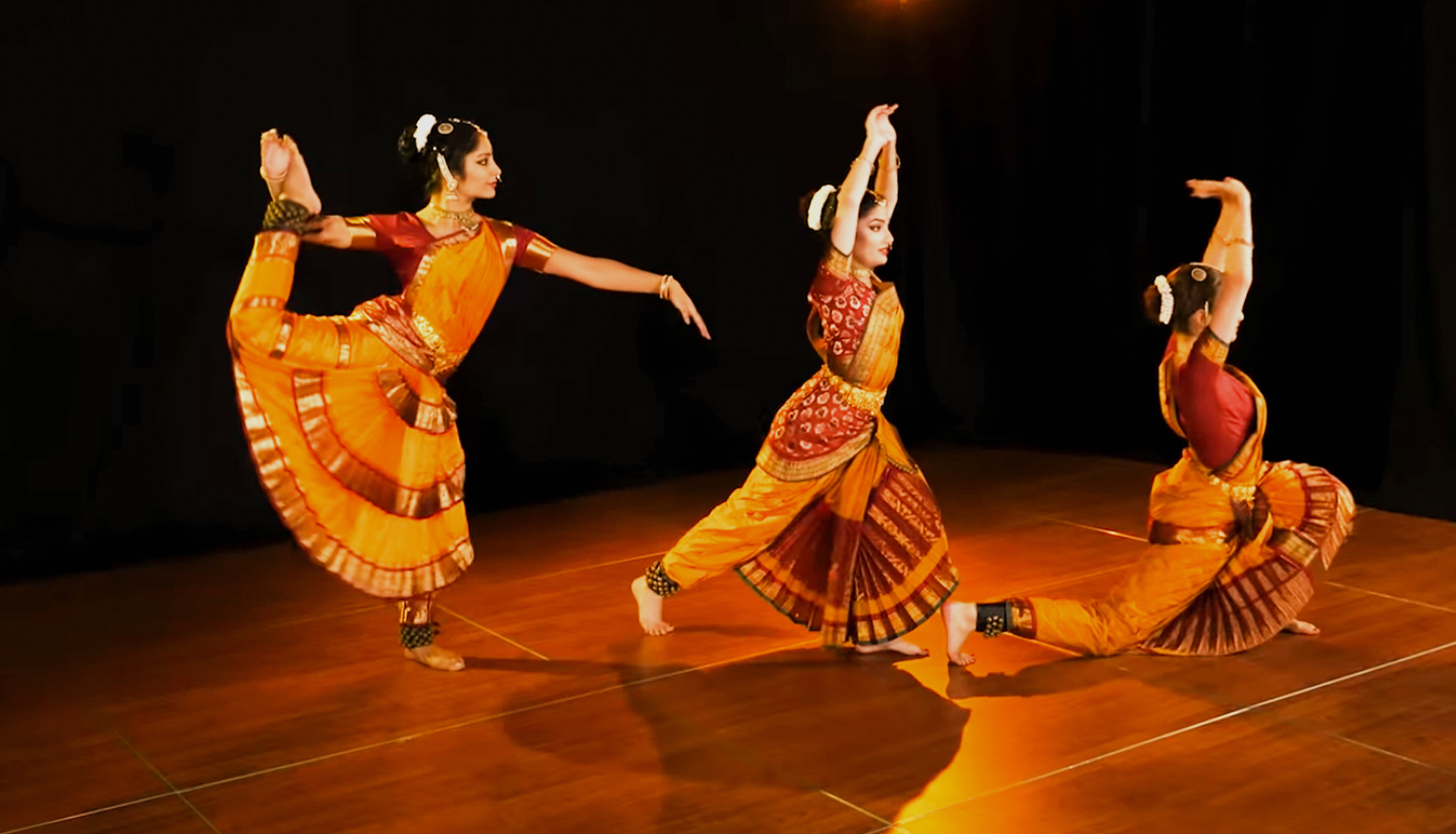
Bharadhanaattiyam: The Dance of Devotion, Discipline, and Grace
Course Description
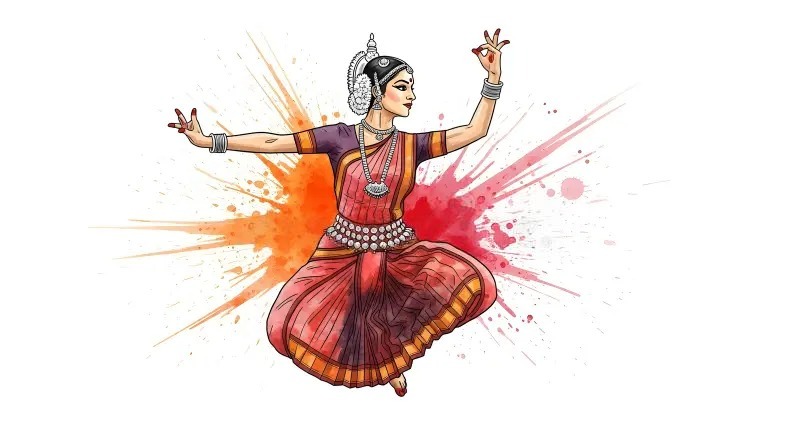
Bharadhanaattiyam is one of India’s oldest and most revered classical dance forms, originating over 2,000 years ago in Tamil Nadu. Traditionally performed in temples as a form of spiritual offering, it has evolved into a celebrated art practiced worldwide. With its intricate footwork, expressive gestures (mudras), and storytelling through movement (abhinaya), Bharadhanaattiyam is a complete embodiment of rhythm, emotion, and culture.
What You Learn in Bharadhanaattiyam Classes
- Adavus: Foundational steps combining rhythm and movement
- Mudras: Hand gestures used to convey meaning and emotion
- Abhinaya: Facial expressions and body language for storytelling
- Jathis & Varnams: Complex rhythmic sequences and compositions
- Mythological Narratives: Stories from epics like the Ramayana and Mahabharata
- Arangetram Preparation: Solo debut performance after years of training
Benefits of Learning Bharadhanaattiyam
Physical Fitness
- Improves flexibility, stamina, and muscle tone
- Enhances balance, coordination, and posture
- Acts as a full-body workout—like yoga with rhythm
Mental & Cognitive Growth
- Boosts memory, focus, and problem-solving
- Strengthens discipline, patience, and perseverance
- Encourages multilingual learning through lyrics in Tamil, Sanskrit, Telugu, and Kannada
Emotional & Psychological Wellness
- Promotes mindfulness and stress relief
- Fosters emotional intelligence through expressive storytelling
- Builds confidence and self-awareness
Cultural & Spiritual Connection
- Deepens understanding of Indian heritage, mythology, and rituals
- Offers a path of bhakti (devotion) and introspection
- Connects dancers to centuries-old temple traditions
Social & Artistic Opportunities
- Perform in sabhas, festivals, and competitions
- Join a vibrant community of dancers and rasikas
- Opens doors to careers in teaching, choreography, and theatre
- Start Date6 Hrs 40 Min
- Enrolled89
- Lectures23
- Skill LevelIntermediate
- LanguageEnglish
- Quizzes25
- CertificateYes
 Pass Percentage90%
- Deadline25 Dec, 2023
- InstructorDaniel Stiva
Part Time Courses




Reviews
Elen Saspita
As Thomas pointed out, Chegg’s survey appears more like a scorecard that details obstacles and challenges that the current university undergraduate student population is going through in their universities and countries.