Indian Percussion Classes: Rhythm, Culture, and Cognitive Power
Course Description
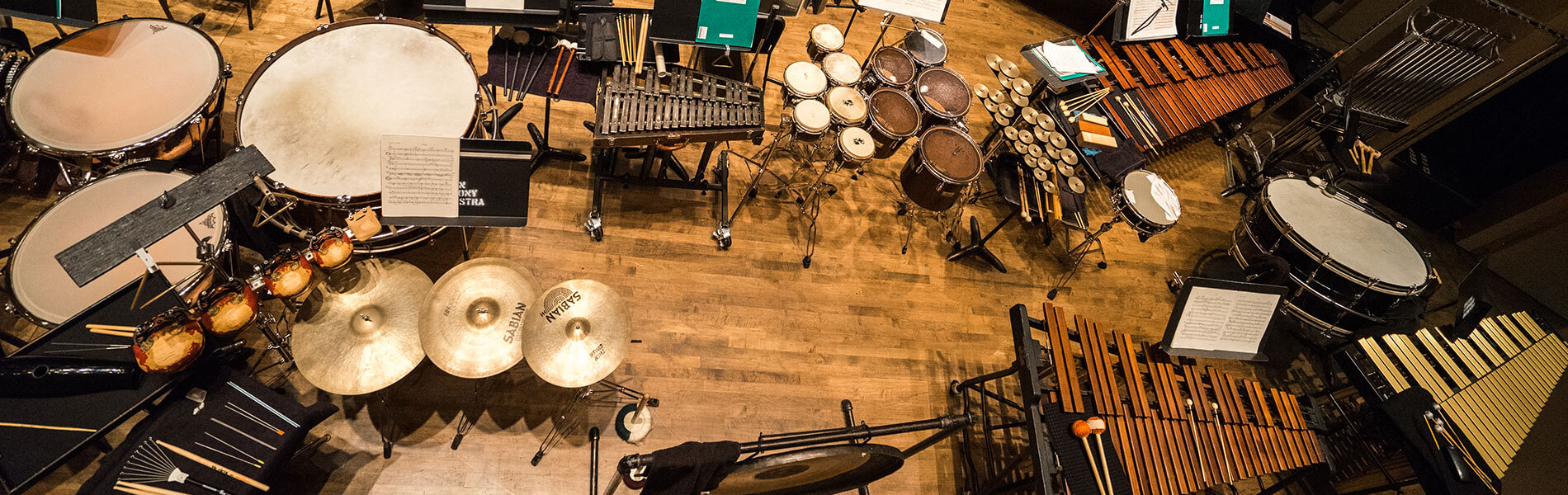
Indian percussion is a vibrant and deeply expressive branch of classical music, encompassing a wide range of instruments and rhythmic traditions. Whether you're drawn to the mridangam, tabla, or ghatam, percussion classes offer a structured and immersive way to explore rhythm, coordination, and cultural heritage.
| Instrument | Region | Description |
|
Mridangam |
South India |
Barrel-shaped drum used inCarnatic music; played with both hands |
|
Tabla |
North India |
Pair of hand drums; central to Hindustani classical music |
|
Ghatam |
South India |
Clay pot instrument; played with fingers and palms |
|
Kanjira |
South India |
Small frame drum with a single membrane; adds flair to Carnatic concerts |
|
Morsing |
South India |
Jaw harp; produces rhythmic drone sounds |
Popular Indian Percussion Instruments
- Basics: Posture, breath control, blowing techniques, fingering, and phrasing
- Foundational Exercises: Sarali Varisai, Janta Varisai, Alankaram, Geethams
- Intermediate Training: Varnams, Swarajatis, and rhythm mastery
- Advanced Modules: Krithis, Raaga Alapana, Kalpana Swaras, RTP
- Notation & Theory: Reading Carnatic notation and understanding raga-tala structures
Benefits of Learning Indian Percussion
Cognitive & Neurological Boost
- Enhances pattern recognition, timing, and memory
- Stimulates motor coordination and brain connectivity
- Improves focus, problem-solving, and set-shifting abilities
Emotional & Psychological Wellness
- Acts as a stress reliever and mood enhancer
- Promotes emotional regulation and resilience
- Encourages mindfulness through rhythmic repetition
Physical Fitness
- Builds hand-eye coordination, finger dexterity, and stamina
- Playing instruments like mridangam or drums can burn calories and improve cardiovascular health
Musical & Artistic Growth
- Develops rhythmic intuition and improvisational skills
- Enables solo and ensemble performance in concerts and festivals
- Facilitates learning of other instruments through rhythmic foundation
Cultural & Spiritual Connection
- Deepens appreciation of Indian heritage, mythology, and devotional traditions
- Instruments like tabla and mridangam are integral to classical and spiritual music
Social & Community Engagement
- Builds confidence and self-esteem through performance
- Fosters collaboration and communication in group settings
- Creates bonds with fellow musicians and rasikas

- Start Date6 Hrs 40 Min
- Enrolled89
- Lectures23
- Skill LevelIntermediate
- LanguageEnglish
- Quizzes25
- CertificateYes
 Pass Percentage90%
- Deadline25 Dec, 2023
- InstructorDaniel Stiva